
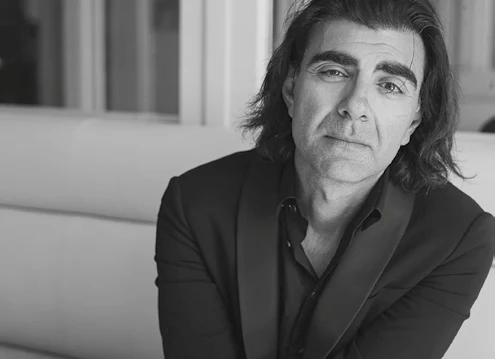
 Fatih Akin2-3 dicembre 2026
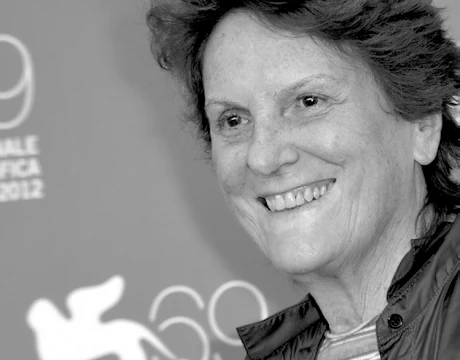 Liliana Cavani6 dicembre 2026
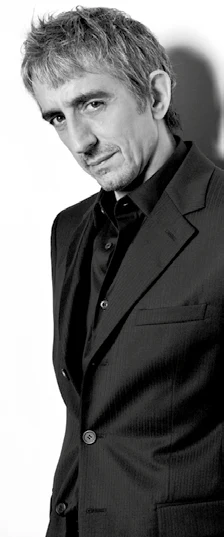 Sergio Rubini7 dicembre 2026
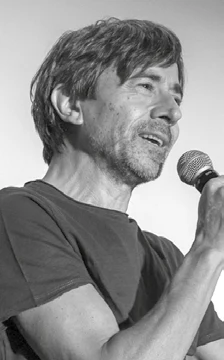 Luigi Lo Cascio5 dicembre 2026
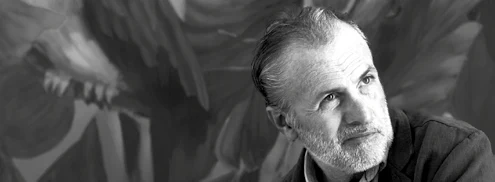 Fabrizio Ferracane7 dicembre 2026
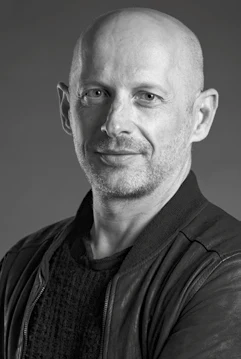 Stefano Sardo7 dicembre 2026
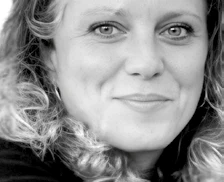 Lucilla Cristaldi7 dicembre 2026
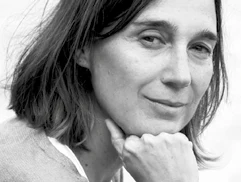 Desideria Rayner5 dicembre 2026
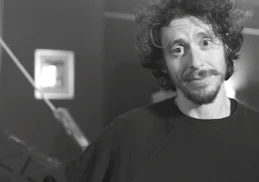 Niccolò Gentili4-5 dicembre 2026
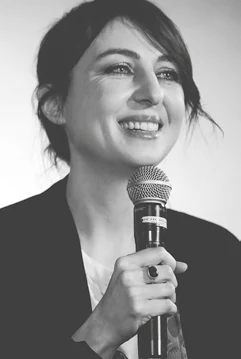 Lisa Nur Sultan4 dicembre 2026
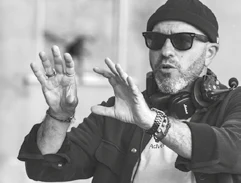 Beppe Tufarulo5 dicembre 2026
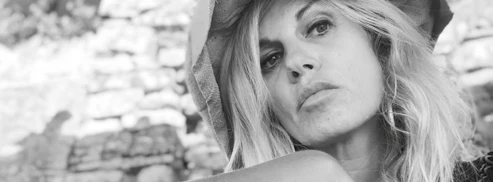 Nina Di Majo6 dicembre 2026
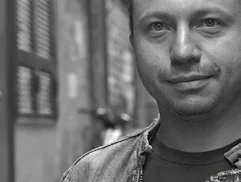 Massimiliano Pacifico7 dicembre 2026
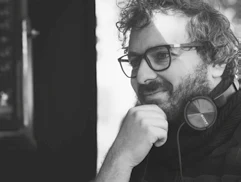 Matteo Damiani8 dicembre 2026
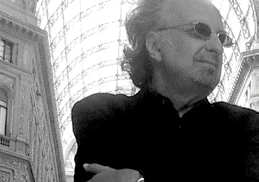 Maurizio Di Rienzo5-8 dicembre 2026
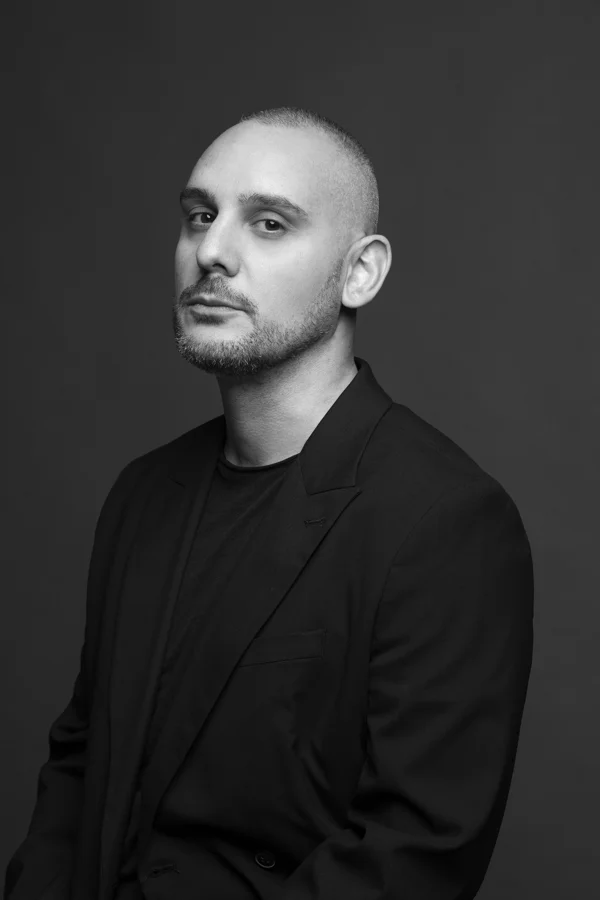 Carlo Liberatore7-8 dicembre 2026
 Anna Bisciari5 dicembre 2026
 Ciro D’Emilio4-5 dicembre 2026
Fatih Akin
Mercoledì 2 e giovedì 3 dicembre
Fatih Akin è un regista di fama internazionale. Nel 2004 ha vinto l’Orso d’oro al Festival di Berlino con La sposa turca (Gegen die Wand). Il successo internazionale si è confermato con il dramma Ai confini del paradiso (Auf der anderen Seite, 2007), che gli è valso il premio per la Migliore sceneggiatura al Festival di Cannes, seguito dall’European Film Award e dal Deutscher Filmpreis. Per il film successivo, Soul Kitchen (2009), ha ricevuto il Premio speciale della giuria in concorso alla 66ª Mostra Internazionale d’Arte Cinematografica di Venezia. Il padre (The Cut) è stato presentato in anteprima mondiale in concorso alla 71ª Mostra di Venezia nel 2014. Oltre la notte (Aus dem Nichts) ha debuttato in concorso al 70° Festival di Cannes nel maggio 2017, dove la protagonista Diane Kruger ha vinto il premio per la Migliore interpretazione femminile. Il film ha vinto anche il Golden Globe.
Il mostro di St. Pauli (Der goldene Handschuh) è stato presentato in concorso al Festival di Berlino nel 2019. Nel 2022 Rheingold ha superato il milione di spettatori in Germania, diventando uno dei suoi film di maggior successo. Amrum, coprodotto con Warner Bros. Germany e Rialto Film, è stato presentato a Cannes nel 2025. Attualmente Akin sta girando il documentario Anatolian Dragon, che segue la cantante e artista turca Gaye Su Akyol nella realizzazione del suo nuovo album a Berlino. Il suo prossimo lungometraggio, Ghost Song (Geister), dovrebbe uscire nelle sale questo autunno.
Wednesday 2 and Thursday 3 December
Fatih Akin is an internationally successful filmmaker. He won the Golden Bear (Berlin International Festival) for his film HEAD-ON in 2004. He achieved subsequent international success with the drama THE EDGE OF HEAVEN (2007) for which he won the price for BEST SCREENPLAY at the celebrated international Cannes Film Festival. The European Filmprice and German Filmprice followed. For his next film SOUL KITCHEN (2009) Fatih Akin was honoured with the SPECIAL PRIZE OF THE JURY, within the competition of the 66th Venice Film Festival. THE CUT celebrated its world premiere in competition at the 71st International Venice Filmfestival in 2014. IN THE FADE’s world premiere took place in competition at the 70th Cannes Film Festival in May 2017. The main actress Diane Kruger was awarded with the Golden Palm for BEST ACTRESS. IN THE FADE also won the GOLDEN GLOBE.
Akins film THE GOLDEN GLOVE premiered in competition of the Berlin International Festival in 2019. In 2022, his movie RHEINGOLD reached more than 1 million admissions in Germany and turned out to be one of his most successful films. Fatih Akin’s film AMRUM, a co-production with Warner Bros. Germany and Rialto Film, premiered at Cannes in 2025. Currently Fatih Akin is shooting the documentary feature ANATOLIAN DRAGON accompanying the turkish singer and artist Gaye Su Akyol in creating her new album in Berlin, Germany. Furthermore, his next feature film GHOST SONG is expected to be released in theaters this fall.
Liliana Cavani
Domenica 6 dicembre
Nata a Carpi (Modena), laureata in lettere antiche all’Università di Bologna, diplomata al Centro sperimentale di cinematografia di Roma, Liliana Cavani realizza a partire dal 1962 importanti documentari alla Rai fra i quali Storia del Terzo Reich (1962), L’età di Stalin, Le donne nella Resistenza 1963, La casa in Italia (1964), Philippe Pétain: processo a Vichy, che ottiene il Leone d’Oro per il documentario alla Mostra di Venezia nel 1965. Esordisce nel lungometraggio nel 1966 con il film per la tv Francesco d’Assisi, protagonista Lou Castel, opera con cui ottiene la notorietà, presentata alla Mostra di Venezia e premiata come miglior film al Festival di Valladolid. Le figure storiche di cui Liliana Cavani si occupa la interessano per l’attualità del loro insegnamento, che offre modelli non violenti di contestazione degli ordini esistenti. Ciò avviene anche nel caso del successivo Galileo (1968), girato per il grande schermo e in concorso alla Mostra di Venezia, dove, accanto al ritratto dello scienziato, emerge l’inquieta figura di Giordano Bruno. Vi si legge il conflitto seicentesco fra scienza e religione, allusivo a quello moderno fra individuo e potere. Gira poi I cannibali (1970), con Pierre Clémenti e Britt Ekland, opera metaforica che allude al “cannibalismo” del potere rispetto alle spinte antagoniste della società. Il film è presentato alla Quinzane di Cannes quindi al Festival di New York, dove riscuote grande successo. Realizza poi, nuovamente per la tv, L’ospite (1971), interpretato da Lucia Bosè, inchiesta sul disagio mentale che partecipa alla Mostra di Venezia, e Milarepa (1973), in concorso al Festival di Cannes, sull’esperienza mistica di un eremita tibetano. Il successo di critica e pubblico è mondiale per Il portiere di notte (1974), interpretato da Dirk Bogarde e Charlotte Rampling, storia del rapporto fra un ufficiale delle SS e una giovane prigioniera, vissuto nuovamente anni dopo la fine della guerra. Il film riprende il tema dell’analisi del potere intrecciato all’ambiguità della natura umana.. Il film provoca un grande dibattito di opinioni in tutto il mondo. È del 1977 Al di là del bene e del male, sul rapporto privato tra Nietzsche e Lou Andreas Salomé, seguito da La pelle (1981), tratto dal romanzo di Curzio Malaparte, in concorso a Cannes. Torna alla Mostra di Venezia nel 1982 con un nuovo film sul tema della follia, Oltre la porta. Altro film di interesse internazionale è Interno berlinese (1985), dal romanzo di Tanizaki Jun’ichirō, presentato al Festival di Berlino del 1986. In seguito è ancora al Lido con Dove siete? Io sono qui (1993) e Anna Bonaiuto riceve la Coppa Volpi come migliore attrice non protagonista, sempre a Venezia nel 2002 con il thriller Il gioco di Ripley, con John Malkovich. Sulla figura di Francesco torna nel 1989 con il film Francesco interpretato da Mickey Rourke, presentato a Cannes e nel 2014 un nuovo film su Francesco per la Rai. È del 2012 la partecipazione alla Mostra di Venezia con il cortometraggio Clarisse, che vince il Premio Pasinetti. Nello stesso anno ottiene un David di Donatello speciale. Nel 2023 iniziano le riprese del film L’ordine del tempo alla cui sceneggiatura partecipa il fisico Carlo Rovelli.
Liliana Cavani riceve il Leone d’Oro alla carriera nel 2023 alla 80ma Mostra Internazionale d’Arte Cinematografica della Biennale di Venezia.
Sunday 6 December
Born in Carpi (Modena), Liliana Cavani graduated in Classics from the University of Bologna and earned her diploma from the Centro Sperimentale di Cinematografia in Rome. From 1962 onwards she made a series of important documentaries for RAI, including History of the Third Reich (1962), The Age of Stalin, Women in the Resistance (1963), The House in Italy (1964) and Philippe Pétain: Trial at Vichy, which won the Golden Lion for documentary at the Venice Film Festival in 1965. She made her feature debut in 1966 with the TV film Francesco d’Assisi (Francis of Assisi), starring Lou Castel. The film brought her wide recognition: it was presented at the Venice Film Festival and won Best Film at the Valladolid Film Festival. Cavani is drawn to historical figures for the relevance of their teaching today, which offers non-violent models for challenging the established order. This is also true of her next film, Galileo (1968), made for the big screen and presented in competition at Venice, in which the restless figure of Giordano Bruno emerges alongside the portrait of the scientist. The film depicts the seventeenth-century conflict between science and religion as an allusion to the modern conflict between the individual and power. She then made I cannibali (The Year of the Cannibals, 1970), starring Pierre Clémenti and Britt Ekland, a metaphorical work about the “cannibalism” with which power devours society’s dissenting forces. The film was presented at the Directors’ Fortnight in Cannes and then at the New York Film Festival, where it was a great success. Again for television, she directed L’ospite (The Guest, 1971), starring Lucia Bosè, an investigation into mental illness that screened at the Venice Film Festival, and Milarepa (1973), presented in competition at Cannes, about the mystical experience of a Tibetan hermit. Il portiere di notte (The Night Porter, 1974), starring Dirk Bogarde and Charlotte Rampling, was a worldwide critical and box-office success. It tells the story of the relationship between an SS officer and a young prisoner, relived years after the end of the war. The film returns to the analysis of power, intertwined with the ambiguity of human nature, and sparked heated debate around the world. In 1977 she made Al di là del bene e del male (Beyond Good and Evil), about the private relationship between Nietzsche and Lou Andreas-Salomé, followed by La pelle (The Skin, 1981), based on the novel by Curzio Malaparte and presented in competition at Cannes. She returned to Venice in 1982 with Oltre la porta (Beyond the Door), a new film on the theme of madness. Another film of international interest is Interno berlinese (The Berlin Affair, 1985), based on the novel by Jun’ichirō Tanizaki and presented at the 1986 Berlin International Film Festival. She returned to the Lido with Dove siete? Io sono qui (Where Are You? I’m Here, 1993), for which Anna Bonaiuto won the Volpi Cup for Best Supporting Actress, and again in 2002 with the thriller Ripley’s Game, starring John Malkovich. She returned to the figure of Saint Francis in 1989 with Francesco, starring Mickey Rourke and presented at Cannes, and again in 2014 with a new film about Francis for RAI. In 2012 she took part in the Venice Film Festival with the short film Clarisse, which won the Pasinetti Award. That same year she received a special David di Donatello. In 2023 she began shooting L’ordine del tempo (The Order of Time), whose screenplay was co-written with physicist Carlo Rovelli.
In 2023 Liliana Cavani received the Golden Lion for Lifetime Achievement at the 80th Venice International Film Festival of La Biennale di Venezia.
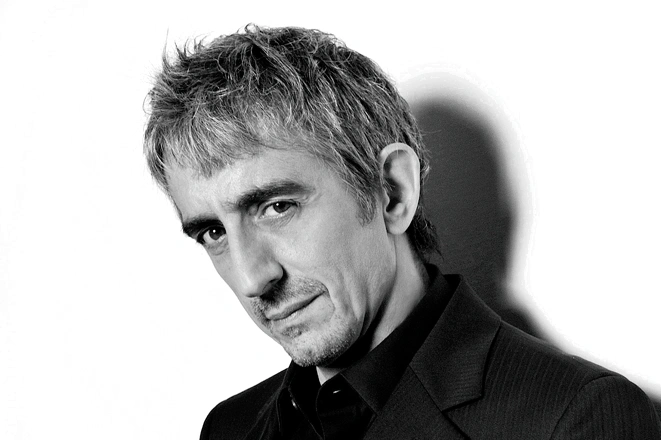
Sergio Rubini
Lunedì 7 dicembre
Sergio Rubini è attore, regista e sceneggiatore tra le figure più versatili e riconoscibili del cinema italiano contemporaneo. Nato a Grumo Appula e formatosi tra teatro e cinema, esordisce giovanissimo sul grande schermo e si impone rapidamente grazie a un talento capace di coniugare intensità interpretativa, ironia e una profonda capacità di osservazione del mondo umano.
Debutta come regista nel 1991 con La stazione, presentato alla Mostra del Cinema di Venezia, che ottiene immediati consensi di pubblico e critica e segna l’inizio di una filmografia ricca e personale. Tra i suoi titoli più significativi figurano Il viaggio della sposa (1997), L’anima gemella (2002), L’amore ritorna (2004), Colpo d’occhio (2008), L’uomo nero (2009) e Il grande spirito (2019), opere in cui alterna commedia e dramma con un’attenzione costante alla fragilità, alle relazioni e alle contraddizioni della natura umana.
Parallelamente Rubini sviluppa una carriera attoriale di straordinaria ampiezza, lavorando con alcuni tra i più importanti registi italiani e internazionali: Federico Fellini (Intervista), Giuseppe Tornatore (Una pura formalità), Carlo Verdone, Gabriele Salvatores, Matteo Garrone, Ferzan Özpetek, Alessandro Piva, Marco Bellocchio, tutti autori con cui ha costruito interpretazioni memorabili. La sua presenza scenica, la duttilità espressiva e la capacità di attraversare registri differenti lo rendono uno degli interpreti più apprezzati della sua generazione.
Negli anni si dedica anche alla scrittura, alla direzione teatrale e alla docenza, contribuendo alla formazione di attori e registi e sviluppando una riflessione costante sul mestiere dell’interprete e sulla costruzione del racconto audiovisivo.
Nel 2025 è protagonista di due nuovi progetti diretti da Massimiliano Pacifico: il cortometraggio Lacerazioni e il film documentario Sergio Rubini e il caso Jekyll, entrambi in uscita nel 2026.
Monday 7 December
Sergio Rubini is an actor, director, and screenwriter, and one of the most versatile and distinctive figures in contemporary Italian cinema. Born in Grumo Appula and trained between theatre and film, he made his big-screen debut at a very young age, quickly establishing himself thanks to a talent capable of blending interpretive intensity, irony, and a profound ability to observe the human condition.
He made his directorial debut in 1991 with La stazione, presented at the Venice Film Festival, which received immediate acclaim from audiences and critics and marked the beginning of a rich and personal filmography. Among his most significant works are Il viaggio della sposa (1997), L’anima gemella (2002), L’amore ritorna (2004), Colpo d’occhio (2008), L’uomo nero (2009), and Il grande spirito (2019), films in which he alternates between comedy and drama while maintaining a constant focus on human fragility, relationships, and emotional contradictions.
Alongside his work as a director, Rubini has developed an extensive acting career, collaborating with some of the most important Italian and international filmmakers: Federico Fellini (Intervista), Giuseppe Tornatore (Una pura formalità), Carlo Verdone, Gabriele Salvatores, Matteo Garrone, Ferzan Özpetek, Alessandro Piva, and Marco Bellocchio, among others, crafting memorable performances across a wide range of roles. His stage presence, expressive versatility, and ability to navigate different registers have made him one of the most acclaimed actors of his generation.
Over the years he has also devoted himself to writing, theatre direction, and teaching, contributing to the training of actors and directors and nurturing a continuous reflection on the craft of performance and the construction of audiovisual storytelling.
In 2025 he stars in two new projects directed by Massimiliano Pacifico: the short film Lacerazioni and the documentary Sergio Rubini and the Jekyll Case, both scheduled for release in 2026.
Luigi Lo Cascio
Sabato 5 dicembre
Luigi Lo Cascio nasce a Palermo nel 1967 e si diploma all’Accademia Nazionale d’Arte Drammatica Silvio d’Amico. Si afferma con I cento passi di Marco Tullio Giordana, che nel 2001 gli vale il David di Donatello come miglior attore protagonista; nello stesso anno vince la Coppa Volpi a Venezia per Luce dei miei occhi di Giuseppe Piccioni. Seguono, tra gli altri, La meglio gioventù (Nastro d’Argento come miglior attore), Buongiorno, notte di Marco Bellocchio, Noi credevamo di Mario Martone e Il capitale umano di Paolo Virzì. Nel 2012 esordisce alla regia con La città ideale, presentato alla Settimana della Critica di Venezia. Per il ruolo di Salvatore Contorno ne Il traditore di Bellocchio vince il Nastro d’Argento e il David di Donatello come miglior attore non protagonista. Interpreta poi Aldo Braibanti ne Il signore delle formiche di Gianni Amelio ed è protagonista della serie The Bad Guy (Prime Video), del film Delta di Michele Vannucci e del film Il Mestiere di Beppe Tufarulo. È anche autore di due libri pubblicati da Feltrinelli.
Saturday 5 December
Luigi Lo Cascio was born in Palermo in 1967 and graduated from the Silvio d’Amico National Academy of Dramatic Arts. He rose to prominence with Marco Tullio Giordana’s The Hundred Steps (I cento passi), which won him the 2001 David di Donatello for Best Actor; that same year he won the Volpi Cup at Venice for Giuseppe Piccioni’s Light of My Eyes (Luce dei miei occhi). His later films include The Best of Youth (La meglio gioventù), which earned him the Nastro d’Argento for Best Actor, Marco Bellocchio’s Good Morning, Night (Buongiorno, notte), Mario Martone’s We Believed (Noi credevamo) and Paolo Virzì’s Human Capital (Il capitale umano). In 2012 he made his directorial debut with The Ideal City (La città ideale), presented at the Venice International Film Critics’ Week. For his role as Salvatore Contorno in Bellocchio’s The Traitor (Il traditore) he won both the Nastro d’Argento and the David di Donatello for Best Supporting Actor. He went on to play Aldo Braibanti in Gianni Amelio’s Lord of the Ants (Il signore delle formiche), and has starred in the series The Bad Guy (Prime Video), Michele Vannucci’s Delta and Beppe Tufarulo’s Il mestiere. He is also the author of two books published by Feltrinelli.
Fabrizio Ferracane
Lunedì 7 dicembre
Fabrizio Ferracane è attore di cinema, teatro e televisione. Diplomato alla Scuola di Teatro Teatès di Palermo diretta da Michele Perriera, nel 2010 fonda con Rino Marino la Compagnia Marino-Ferracane. Debutta al cinema nel 1999 in Malèna di Giuseppe Tornatore. È protagonista di Anime nere di Francesco Munzi, in Concorso a Venezia, che gli vale le candidature come Miglior attore protagonista ai David di Donatello, ai Nastri d’Argento e ai Globi d’Oro. Con Il traditore di Marco Bellocchio vince il Nastro d’Argento come Miglior attore non protagonista. Lavora, tra gli altri, con Leonardo Di Costanzo (Ariaferma), Paolo Taviani (Leonora addio), Emma Dante (Misericordia) e Sergio Scavio (La guerra di Cesare, Premio Meridiana come Miglior attore protagonista al Bif&st 2025). In TV è tra gli interpreti di The Bad Guy (Prime Video), Il Re (Sky) e Gerri (Rai Uno). Il suo ultimo film è Zustissia di Francesco Piras, nelle sale da ottobre 2026.
Monday 7 December
Fabrizio Ferracane is a film, stage and television actor. He graduated from the Teatès Theatre School in Palermo, directed by Michele Perriera, and in 2010 he co-founded the Compagnia Marino-Ferracane with Rino Marino. He made his film debut in 1999 in Giuseppe Tornatore’s Malèna. He starred in Francesco Munzi’s Black Souls (Anime nere), presented in competition at Venice, earning Best Actor nominations at the David di Donatello, the Nastri d’Argento and the Globi d’Oro. For Marco Bellocchio’s The Traitor (Il traditore) he won the Nastro d’Argento for Best Supporting Actor. He has worked with directors including Leonardo Di Costanzo (The Inner Cage), Paolo Taviani (Leonora addio), Emma Dante (Misericordia) and Sergio Scavio (La guerra di Cesare, which won him the Premio Meridiana for Best Actor at Bif&st 2025). On television he has appeared in The Bad Guy (Prime Video), Il Re (Sky) and Gerri (Rai 1). His latest film is Francesco Piras’s Zustissia, in cinemas since October 2026.
Stefano Sardo
Lunedì 7 dicembre
Nato a Bra nel ’72, Stefano Sardo è un noto sceneggiatore italiano, David di Donatello per L’arte della gioia nel 2025. Con Alessandro Fabbri e Ludovica Rampoldi è il creatore della serie Sky 1992-1993-1994. Con lo stesso trio ha firmato le tre stagioni de l’adattamento italiano di In treatment (Sky) e l’imminente Nemesis (Netflix); per il cinema, La Doppia Ora (concorso a Venezia nel 2009) e i due film de Il Ragazzo Invisibile diretti da Gabriele Salvatores. Da solo o con altri ha scritto film (Tatanka, Workers – pronti a tutto, i Milionari, Monolith, Il Divin Codino, La Cena Perfetta, Cattiva Coscienza, e gli imminenti Lucio, sulla vita di Dalla, e Colpevole, il remake di Guilty diretto da Piero Messina) e serie tv (L’arte della gioia per Sky, i Leoni di Sicilia per Disney+, Careme 1 e 2 per Apple+, La Nuova Squadra e Il Sistema per Rai Fiction, il 13mo Apostolo per Mediaset e la imminente sky Original Quelli della Mala, di cui si sono appena concluse le riprese). Dopo aver diretto un documentario nel 2013 (Slow Food Story, per Indigo film) nel 2021 ha esordito alla regia di un film di finzione con Una Relazione, presentato alla Giornate degli Autori a Venezia da lui scritto (con Valentina Gaia) e prodotto. Muori di Lei, da lui scritto (con Giacomo Bendotti) e prodotto (con Ines Vasiljevic) per Nightswim/Medusa, uscito a marzo 2025, è la sua seconda regia. Con la socia Ines Vasiljevic dirige Nightswim, casa di produzione con diversi film all’attivo (Una Relazione, Io e il secco, Ipersonnia, Gli Indifferenti, Like me back, Il primo figlio, N-Ego, la Valle dei Sorrisi, Muori di lei, Le Rocce Rosse, Balcanica). Ha pubblicato svariati racconti e quattro romanzi: L’America delle Kessler (ed. Arcana, 2002), i due romanzi de Il Ragazzo invisibile, (Salani, 2014 e 2018), e Una Relazione (ed. HarperCollins 2021). Nella vita precedente da musicista ha scritto e cantato canzoni con i Mambassa – band nata nel ’95 con 6 album all’attivo.
Monday 7 December
Born in Bra in 1972, Stefano Sardo is a renowned Italian screenwriter, winner of the David di Donatello for L’arte della gioia (The Art of Joy) in 2025. With Alessandro Fabbri and Ludovica Rampoldi he created the Sky series 1992-1993-1994. With the same trio he wrote the three seasons of the Italian adaptation of In Treatment (Sky) and the upcoming Nemesis (Netflix); for cinema, La doppia ora (The Double Hour, in competition at Venice in 2009) and the two Il ragazzo invisibile (The Invisible Boy) films directed by Gabriele Salvatores. Alone or with others he has written films (Tatanka, Workers – pronti a tutto, I milionari, Monolith, Il Divin Codino, La cena perfetta, Cattiva coscienza, and the upcoming Lucio, about the life of Lucio Dalla, and Colpevole, the remake of The Guilty directed by Piero Messina) and TV series (L’arte della gioia for Sky, I leoni di Sicilia for Disney+, Carême seasons 1 and 2 for Apple TV+, La nuova squadra and Il sistema for Rai Fiction, Il tredicesimo apostolo for Mediaset and the upcoming Sky Original Quelli della Mala, which has just wrapped shooting). After directing a documentary in 2013 (Slow Food Story, for Indigo Film), in 2021 he made his fiction directing debut with Una relazione, presented at the Giornate degli Autori (Venice Days) in Venice, which he wrote (with Valentina Gaia) and produced. Muori di lei, which he wrote (with Giacomo Bendotti) and produced (with Ines Vasiljevic) for Nightswim/Medusa, released in March 2025, is his second film as director. With his partner Ines Vasiljevic he runs Nightswim, a production company with several films to its name (Una relazione, Io e il secco, Ipersonnia, Gli indifferenti, Like Me Back, Il primo figlio, N-Ego, La valle dei sorrisi, Muori di lei, Le rocce rosse, Balcanica). He has published several short stories and four novels: L’America delle Kessler (Arcana, 2002), the two Il ragazzo invisibile novels (Salani, 2014 and 2018) and Una relazione (HarperCollins, 2021). In his former life as a musician he wrote and sang songs with Mambassa, a band formed in 1995 with six albums to its name.
Lucilla Cristaldi
Lunedì 7 dicembre
Lucilla Cristaldi dal 2002 al 2017 ha collaborato con Marco Bellocchio di cui è stata aiuto regista firmando, tra gli altri film, Bella Addormentata e Fa bei sogni. Dal 2004 al 2017 ha collaborato con Saverio Costanzo di cui è stata aiuto regista firmando, tra gli altri titoli, In Treatment e L’Amica Geniale. Ha collaborato inoltre con Alice Rohrwacher, Emanuele Crialese, Piazza e Grassadonia, Daniele Ciprì, Laura Bispuri e Valerio Mieli di cui è stata consulente allo sviluppo per il film Ricordi. Dal 2002 al 2016 è stata docente in affiancamento a Marco Bellocchio nella scuola FARE CINEMA di Bobbio. È stata produttrice creativa de L’Amica Geniale. Dal 2021 è produttrice delegata per la società di produzione Cattleya, firmando fra gli altri la serie Django di Francesca Comencini, David Evans e Enrico Maria Artale, la serie televisiva Un Amore di Francesco Lagi, la serie Suburramaxima di Michele Alhaique e il film per il cinema Nata per te di Fabio Mollo. Nel 2024 ha prodotto il film per il cinema Sulla Terra Leggeri di Sara Fgaier, in concorso al festival di Locarno nel 2024.
Monday 7 December
From 2002 to 2017, Lucilla Cristaldi worked with Marco Bellocchio as his first assistant director on films including Dormant Beauty (Bella addormentata) and Sweet Dreams (Fai bei sogni). From 2004 to 2017, she worked with Saverio Costanzo as his first assistant director on titles including In Treatment and My Brilliant Friend (L’amica geniale). She has also worked with Alice Rohrwacher, Emanuele Crialese, Piazza and Grassadonia, Daniele Ciprì, Laura Bispuri and Valerio Mieli, for whom she was development consultant on the film Ricordi?. From 2002 to 2016, she taught alongside Marco Bellocchio at the FARE CINEMA school in Bobbio. She was creative producer of My Brilliant Friend. Since 2021, she has been an executive producer at the production company Cattleya, where her credits include the series Django by Francesca Comencini, David Evans and Enrico Maria Artale, the TV series Un amore by Francesco Lagi, the series Suburræterna (Suburramaxima) by Michele Alhaique and the feature film Nata per te by Fabio Mollo. In 2024 she produced the feature film Sulla terra leggeri by Sara Fgaier, which competed at the 2024 Locarno Film Festival.
Desideria Rayner
Sabato 5 dicembre
Desideria Rayner è montatrice di film e di documentari. Inizia a lavorare in ambito giornalistico, prima all’interno de L’Espresso e di Rai News 24, poi per Golem (Radio 3) e Blob (Rai 3). Prosegue dedicandosi al montaggio. Tra i suoi lavori: L’orchestra di Piazza Vittorio di Agostino Ferrente, La città ideale di Luigi Lo Cascio, Ricordi? di Valerio Mieli, Io e il secco di Gianluca Santoni, L’impero di Bruno Dumont, L’albero di Sara Petraglia, Il mestiere di Beppe Tufarulo.
Saturday 5 December
Desideria Rayner is a film and documentary editor. She began working in journalism, first at L’Espresso and Rai News 24, then for Golem (Radio 3) and Blob (Rai 3). She later devoted herself fully to editing.
Among her works are: L’orchestra di Piazza Vittorio by Agostino Ferrente, La città ideale by Luigi Lo Cascio, Ricordi? by Valerio Mieli, Io e il secco by Gianluca Santoni, L’impero by Bruno Dumont, L’albero by Sara Petraglia and Il mestiere by Beppe Tufarulo.
Niccolò Gentili
Venerdì 4 e sabato 5 dicembre
Niccolò Gentili è regista, sceneggiatore, attore e curatore di festival. Ha studiato regia e sceneggiatura con Bellocchio, Diritti, Amelio e Ciprì. I suoi corti hanno ottenuto vari riconoscimenti, Non è una bufala è entrato nella shortlist dei Nastri d’Argento. Dal 2019 al 2023 ha curato la sezione cortometraggi di Alice nella città e dal 2020 al 2026 è stato direttore artistico di Cortinametraggio.
Nel 2026 ha scritto con Lisa Nur Sultan il film “Zustissia”, legal drama sul più lungo errore giudiziario italiano, il caso del pastore sardo Beniamino Zuncheddu (regia di Francesco Piras, con Michele Riondino e Fabrizio Ferracane) e ha scritto con Lisa Nur Sultan e diretto il suo primo lungometraggio, “DOV’È LA FIESTA?“, con protagonisti Linda Caridi e l’attore di Dieci Capodanni Francesco Carril.
Friday 4 and Saturday 5 December
Niccolò Gentili is a director, screenwriter, actor and festival curator. He studied directing and screenwriting with Bellocchio, Diritti, Amelio and Ciprì. His short films have received several awards, and Non è una bufala was shortlisted for the Nastri d’Argento. From 2019 to 2023 he curated the short film section of Alice nella città, and from 2020 to 2026 he was artistic director of Cortinametraggio.
In 2026 he co-wrote with Lisa Nur Sultan the film “Zustissia”, a legal drama about the longest miscarriage of justice in Italian history: the case of the Sardinian shepherd Beniamino Zuncheddu (directed by Francesco Piras, starring Michele Riondino and Fabrizio Ferracane). He also co-wrote with Lisa Nur Sultan and directed his first feature film, “DOV’È LA FIESTA?”, starring Linda Caridi and Francesco Carril, known for The New Years.
Lisa Nur Sultan
Venerdì 4 dicembre
Lisa Nur Sultan è tra le firme più ricercate del cinema e della serialità di questi anni.
Il suo primo film, Sulla mia pelle di Alessio Cremonini, ha aperto la sezione Orizzonti di Venezia75 e vinto numerosi premi, tra cui 4 David di Donatello, il Nastro d’Argento come Film dell’Anno, il Globo D’oro Miglior Sceneggiatura e il Premio Sergio Amidei alla sceneggiatura.
Ha poi scritto il legal drama Circeo, il thriller Non Mentire, la commedia Beata Te, e scritto da headwriter Studio Battaglia e Call My Agent – Italia (stagioni 1 e 2), che le hanno portato altri quattro Nastri d’Argento.
È sceneggiatrice e executive producer dei film Zustissia, regia di Francesco Piras e Dov’è la Fiesta?, regia di Niccolò Gentili.
Attualmente è al cinema con Se domani non torno, regia di Paola Randi.
Friday 4 December
Lisa Nur Sultan is one of the most sought-after screenwriters in film and television today.
Her first feature, On My Skin (Sulla mia pelle) by Alessio Cremonini, opened the Orizzonti section at the 75th Venice Film Festival and won numerous awards, including four David di Donatello Awards, the Nastro d’Argento for Film of the Year, the Globo d’Oro for Best Screenplay and the Sergio Amidei Award for Best Screenplay.
She went on to write the legal drama Circeo, the thriller Non mentire and the comedy Beata te, and served as head writer on Studio Battaglia and Call My Agent – Italia (seasons 1 and 2), which earned her four more Nastri d’Argento.
She is screenwriter and executive producer of the films Zustissia, directed by Francesco Piras, and Dov’è la fiesta?, directed by Niccolò Gentili.
Her latest film, Se domani non torno, directed by Paola Randi, is currently in cinemas.
Beppe Tufarulo
Sabato 5 dicembre
Beppe Tufarulo è un regista e sceneggiatore italiano, con base a Milano. Dopo aver iniziato la sua carriera a MTV, ha sviluppato un percorso autoriale tra documentario e finzione, distinguendosi per una forte sensibilità visiva e per l’attenzione alle storie più intime e profondamente umane. I suoi documentari hanno esplorato i mondi della musica, dello sport e della moda, tra cui Ferro, All or Nothing: Juventus, Armani Privé – A View Beyond, Una favola siciliana e Puglia: Appunti di viaggio.
I suoi cortometraggi Baradar ((Brother) e We’ll Let YouKnow hanno ricevuto numerosi riconoscimenti internazionali e sono stati selezionati tra i candidati ai David di Donatello e ai Nastri d’Argento. Il Mestiere, coprodotto da Italia, Belgio e Francia, con protagonista Luigi Lo Cascio, segna il suo esordio nel lungometraggio di finzione. È stato presentato nella sezione Notti Veneziane delle Giornate degli Autori alla Mostra Internazionale del Cinema di Venezia e successivamente al Varsavia Film Festival.
Saturday 5 December
Beppe Tufarulo is an Italian director and screenwriter based in Milan. After starting his career at MTV, he developed an auteur path spanning documentary and fiction, standing out for his strong visual sensibility and his attention to intimate, deeply human stories. His documentaries have explored the worlds of music, sport and fashion, and include Ferro, All or Nothing: Juventus, Armani Privé – A View Beyond, Una favola siciliana and Puglia: Appunti di viaggio.
His short films Baradar (Brother) and We’ll Let You Know have received numerous international awards and were among the contenders for the David di Donatello and the Nastri d’Argento. Il Mestiere, an Italy–Belgium–France co-production starring Luigi Lo Cascio, marks his feature fiction debut. It premiered in the Notti Veneziane section of the Giornate degli Autori (Venice Days) at the Venice International Film Festival, and was later screened at the Warsaw Film Festival.
Nina Di Majo
Domenica 6 dicembre
Nata a Napoli nel 1975, Nina di Majo è artista visiva e regista di cinema e documentario sperimentale. Le sue opere, video o complesse installazioni multimediali, intrecciano performance, poesia, musica e scultura in un universo visivo e sonoro che mette al centro la dimensione sensoriale ed emotiva. Dopo un’esperienza come assistente alla regia nell’opera lirica e nel teatro, esordisce con il corto Spalle al muro (1997), Sacher d’Oro al Sacher Festival di Nanni Moretti e candidato al David di Donatello. Scrive, dirige e interpreta Autunno (1999), selezionato alla Mostra del Cinema di Venezia, e firma L’inverno (2002), presentato alla Berlinale, che vale a Fabrizio Gifuni il Globo d’Oro come attore rivelazione. Nel 2009 dirige la commedia Matrimoni e altri disastri, con Margherita Buy e Fabio Volo. Ha realizzato documentari d’arte su Anish Kapoor, Peter Greenaway, Hans Werner Henze e Nanni Balestrini, a cui è dedicato Nanni Balestrini Poetry Boy (2025), prodotto con Istituto Luce Cinecittà. Ha inoltre creato installazioni audiovisive sull’ecologia per il Romaeuropa Festival.
Sunday 6 December
Born in Naples in 1975, Nina di Majo is a visual artist and experimental film and documentary director. Her works, ranging from videos to complex multimedia installations, weave together performance, poetry, music and sculpture in a visual and sonic universe centred on the sensory and emotional. After working as an assistant director in opera and theatre, she made her debut with the short Spalle al muro (1997), winner of the Golden Sacher at Nanni Moretti’s Sacher Festival and nominated for a David di Donatello. She wrote, directed and starred in Autunno (1999), selected at the Venice Film Festival, and went on to make L’inverno (2002), presented at the Berlinale, which earned Fabrizio Gifuni the Globo d’Oro for Best Breakthrough Actor. In 2009 she directed the comedy Matrimoni e altri disastri, starring Margherita Buy and Fabio Volo. She has made art documentaries on Anish Kapoor, Peter Greenaway, Hans Werner Henze and Nanni Balestrini, the subject of Nanni Balestrini Poetry Boy (2025), produced with Istituto Luce Cinecittà. She has also created audiovisual installations on ecology for the Romaeuropa Festival.
Massimiliano Pacifico
Lunedì 7 dicembre
Massimiliano Pacifico è un regista e sceneggiatore napoletano attivo nel documentario, nella fiction e nei progetti audiovisivi dedicati alle arti performative. Dopo le prime esperienze tra cinema indipendente e teatro, si afferma con una serie di lavori che indagano processi creativi, identità collettive e trasformazioni sociali, distinguendosi per uno sguardo intimo, rigoroso e fortemente narrativo.
Ottiene ampia attenzione con Il Teatro al Lavoro (2018, co-diretto con Enrico Ianniello), presentato al Torino Film Festival e dedicato al percorso artistico della compagnia di Toni Servillo. Prosegue con Frammenti di un percorso teatrale (2020) e con numerosi backstage ufficiali di grandi produzioni italiane, tra cui È stata la mano di Dio di Paolo Sorrentino, Le otto montagne di Felix Van Groeningen e Charlotte Vandermeersch e Qui rido io di Mario Martone, apprezzati per la qualità estetica e la capacità di raccontare la vita sul set.
Nel 2023 firma L’Avversario, confermando un percorso autoriale centrato sulla relazione tra realtà, rappresentazione e sguardo dello spettatore. Affianca all’attività di regista quella di docente in laboratori e scuole di cinema, contribuendo alla formazione di giovani filmmaker.
Nel 2025 dirige il cortometraggio Lacerazioni ed il film documentario Sergio Rubini ed il caso Jekyll, entrambi con l’attore Sergio Rubini ed entrambi usciti nel 2026.
Monday 7 December
Massimiliano Pacifico is a Neapolitan director and screenwriter active in documentary filmmaking, fiction, and audiovisual projects dedicated to the performing arts. After his early experiences between independent cinema and theatre, he established himself with a series of works exploring creative processes, collective identities, and social transformations, distinguished by an intimate, rigorous, and strongly narrative approach.
He gained wide recognition with Il Teatro al Lavoro (2018, co-directed with Enrico Ianniello), presented at the Torino Film Festival and focused on the artistic journey of Toni Servillo’s company. He continued with Frammenti di un percorso teatrale (2020) and with numerous official behind-the-scenes films for major Italian productions, including Paolo Sorrentino’s The Hand of God, Felix Van Groeningen and Charlotte Vandermeersch’s The Eight Mountains, and Mario Martone’s The King of Laughter, all praised for their aesthetic quality and their ability to capture life on set.
In 2023 he directed L’Avversario, further confirming an authorial path centered on the relationship between reality, representation, and the viewer’s gaze. Alongside his directing work, he teaches in workshops and film schools, contributing to the training of emerging filmmakers.
In 2025 he directed the short film Lacerazioni and the documentary Sergio Rubini and the Jekyll Case, both starring Sergio Rubini and both released in 2026.
Matteo Damiani
Martedì 8 dicembre
Regista e sceneggiatore, è diplomato alla Scuola Civica di Cinema di Milano e ha lavorato come aiuto regia e assistente alla regia di Roberto Faenza, Andrej Konchalovskij, Susanna Nicchiarelli, Daniele Vicari, Michele Vannucci, Matteo Rovere, Greta Scarano, prendendo parte a diverse serie tv, tra cui “Romulus” e “Supersex” e al film “El paraiso” di Enrico Maria Artale.
Nel 2022 realizza il cortometraggio “L’ultima festa”, prodotto da Movie Factory e Regione Marche con protagoniste le attrici Dora Romano e Luisa De Santis, presentato al Pesaro Film Festival 2022, tra i cortometraggi italiani più premiati del 2022.
Nel 2025 dirige il lungometraggio “Tutto l’universo”, scritto insieme a Lorenzo Bagnatori, progetto vincitore ai selettivi del MiC per la scrittura e del bando Marche Film Commission, con protagoniste Anna Bellato, Dora Romano e Majd Mastoura (Orso d’argento a Berlino come miglior attore).
Nel 2023 ha vinto i selettivi del Mic anche per il progetto “Donne in cerca di guai”, attualmente in fase di sviluppo. Ha scritto inoltre il corto “Dente di cinghiale” di Rebecca Cervato, sostenuto da RaiCinema e in selezione ad Alice nella città 2026; nel 2025 ha scritto il corto “Dalle ombre” diretto da Cabiria Lizzi, progetto vincitore del Bando Europeo REEL – Apulia Film Commission.
Nel 2026 il progetto “La figlia nel vento” scritto insieme a Rebecca Cervato è stato selezionato alla Biennale College Cinema. È inoltre direttore artistico di Incanto Film Festival, realizzato in collaborazione con Anemone Film.
Tuesday 8 December
A director and screenwriter, he graduated from the Scuola Civica di Cinema in Milan and has worked as first assistant director and assistant director for Roberto Faenza, Andrei Konchalovsky, Susanna Nicchiarelli, Daniele Vicari, Michele Vannucci, Matteo Rovere and Greta Scarano, on several TV series including Romulus and Supersex, and on Enrico Maria Artale’s film El Paraíso.
In 2022 he made the short film L’ultima festa, produced by Movie Factory and the Marche Region and starring Dora Romano and Luisa De Santis. It premiered at the 2022 Pesaro Film Festival and was among the most awarded Italian short films of the year.
In 2025 he directed the feature film Tutto l’universo, co-written with Lorenzo Bagnatori, which received development funding from the Italian Ministry of Culture (MiC) and support from the Marche Film Commission. It stars Anna Bellato, Dora Romano and Majd Mastoura (Silver Bear for Best Actor at the Berlinale).
In 2023 he also won MiC selective funding for the project Donne in cerca di guai, currently in development. He co-wrote the short Dente di cinghiale, directed by Rebecca Cervato, supported by Rai Cinema and selected for Alice nella città 2026; in 2025 he wrote the short Dalle ombre, directed by Cabiria Lizzi, winner of the European REEL call by Apulia Film Commission.
In 2026 the project La figlia nel vento, co-written with Rebecca Cervato, was selected for Biennale College Cinema. He is also artistic director of the Incanto Film Festival, run in collaboration with Anemone Film.
Maurizio Di Rienzo
Dal 5 all’8 dicembre
Maurizio di Rienzo è giornalista, critico cinematografico, consulente e programmatore di Festival e rassegne di film e documentari, direttore dello ShorTS International FF di Trieste.
Selezionatore per le Giornate degli Autori a Venezia. Fa parte del direttivo Sindacato Nazionale Giornalisti Cinematografici Italiani (SNGCI) e si occupa della preselezione di documentari e cortometraggi italiani concorrenti agli annuali Nastri d’Argento.
Per la Fice collabora alle Giornate del cinema d’essai. Cura rassegne sul cinema italiano di finzione e del reale.
Per l’Aiace collabora al Torino Short Film Market, conduttore di incontri, convegni, stages, masterclass. Ha lavorato per Radio Rai, Tv satellitari, Festival internazionali. Ha pubblicato saggi per cataloghi e libri di cinema.
From 5 to 8 December
Maurizio Di Rienzo is a journalist, film critic, consultant, and programmer for film and documentary festivals and showcases, as well as the Director of the ShorTS International Film Festival in Trieste.
He is a selector for Giornate degli Autori in Venice. He serves on the board of the Italian National Union of Film Journalists (SNGCI) and is involved in the preselection of Italian documentaries and short films competing for the annual Nastri d’Argento awards.
For FICE, he collaborates on the Giornate del Cinema d’Essai, and he curates retrospectives and showcases dedicated to Italian fiction and documentary cinema.
For AIACE, he collaborates with the Torino Short Film Market, moderating meetings, conferences, workshops, and masterclasses. He has worked for Radio Rai, satellite television channels, and international festivals, and has published essays for film catalogues and books.
Carlo Liberatore
Lunedì 7 e martedì 8 dicembre
Carlo Liberatore è un regista, sceneggiatore e direttore artistico italiano di origine abruzzese. Diplomato con lode all’Accademia Internazionale per le Arti e le Scienze dell’Immagine, fondata dal premio Oscar Vittorio Storaro, affianca da anni l’attività autoriale alla direzione di due manifestazioni cinematografiche. Dal 2016 guida il Sulmona International Film Festival, oggi alla 44ª edizione, ed è direttore artistico del Roseto Opera Prima, storico festival dedicato alle opere prime giunto alla 30ª edizione. Come sceneggiatore ha vinto il Tirana Film Festival e i suoi lavori sono stati selezionati in importanti festival internazionali. Nel corso della sua carriera ha collaborato con il regista e supervisore Victor Perez, due volte vincitore del David di Donatello e con il documentarista Gianfranco Rosi. The Madmen Coach, il suo film d’esordio, ha ricevuto la Menzione Speciale nella categoria Cinema del Reale alla 80ª edizione dei Nastri d’Argento, oltre a numerosi premi nel circuito festivaliero internazionale. È attualmente al lavoro su un progetto di animazione in stop motion prodotto da Fantasmagorie Studio.
Monday 7 and Tuesday 8 December
Carlo Liberatore is an Italian director, screenwriter and artistic director from Abruzzo. A graduate with honours of the Accademia Internazionale per le Arti e le Scienze dell’Immagine, founded by Oscar winner Vittorio Storaro, he has for years combined his work as a filmmaker with the direction of two film festivals. Since 2016 he has headed the Sulmona International Film Festival, now in its 44th edition, and he is artistic director of Roseto Opera Prima, a long-running festival devoted to debut films, now in its 30th edition. As a screenwriter he won the Tirana Film Festival, and his work has been selected at major international festivals. Over the course of his career he has worked with director and visual effects supervisor Victor Perez, a two-time David di Donatello winner, and with documentary filmmaker Gianfranco Rosi. His debut feature, The Madmen Coach, received a Special Mention in the Cinema del Reale (non-fiction) category at the 80th Nastri d’Argento awards, as well as numerous awards on the international festival circuit. He is currently working on a stop-motion animation project produced by Fantasmagorie Studio.
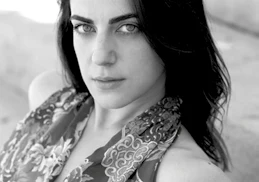
Anna Bisciari
Sabato 5 dicembre
Anna Bisciari nasce a Cagli il 13 maggio 1994. Dopo la laurea in Cinema, Televisione e Nuovi Media, si forma come attrice presso l’Accademia Nazionale d’Arte Drammatica “Silvio D’Amico”, dove consegue il diploma in recitazione.
In teatro lavora con alcuni dei più autorevoli registi della scena italiana, tra cui Carlo Cecchi, Arturo Cirillo, Andrea Baracco, G.B. Corsetti e Andrea Lucchetta, con il quale fonda la compagnia Asilo Republic, sviluppando una ricerca artistica che coniuga drammaturgia contemporanea e sperimentazione scenica.
Parallelamente costruisce un percorso nel cinema e nella serialità televisiva, prendendo parte a diverse produzioni Rai e al film Cattiva Coscienza di Davide Minnella. È inoltre tra i protagonisti del cast di una nuova serie Netflix diretta da R. Johnson e N. Falsetti.
Nel 2024 riceve il Premio Gigi Proietti come Miglior Attrice Under 35.
Saturday 5 December
Anna Bisciari was born in Cagli on 13 May 1994. After earning a degree in Film, Television and New Media, she trained as an actress at the “Silvio D’Amico” National Academy of Dramatic Arts, where she obtained her diploma in acting.
In theatre, she has worked with some of the most respected directors on the Italian stage, including Carlo Cecchi, Arturo Cirillo, Andrea Baracco, G.B. Corsetti and Andrea Lucchetta, with whom she founded the company Asilo Republic, developing an artistic research that combines contemporary playwriting and stage experimentation.
At the same time, she has built a career in film and television series, appearing in several Rai productions and in Davide Minnella’s film Cattiva Coscienza. She is also one of the leads in a new Netflix series directed by R. Johnson and N. Falsetti.
In 2024 she received the Gigi Proietti Award for Best Actress Under 35.
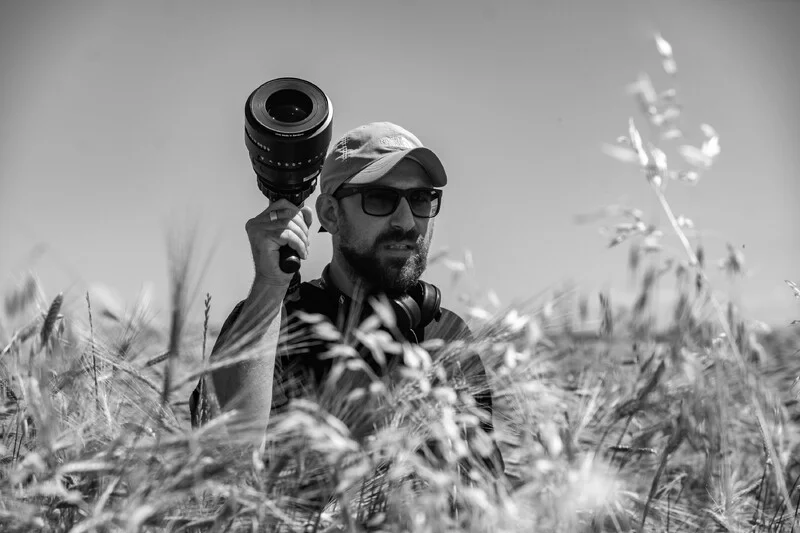
Ciro D’Emilio
Venerdì 4 e sabato 5 dicembre
Nato a Pompei, Ciro D’Emilio vive a Roma dal 2005 e lavora come regista e sceneggiatore cinematografico. Insegna e dirige l’Accademia del Cinema Renoir, da lui fondata. Ha realizzato i cortometraggi “L’altro”, “Massimo”, “Un Ritorno”, “Piove”, “Importante” e “Narciso”, vincendo numerosi premi nazionali e internazionali. Nel 2018 il suo esordio al lungometraggio, “Un giorno all’improvviso”, presentato in anteprima mondiale alle 75a Mostra Internazionale d’Arte Cinematografica di Venezia, in concorso a Orizzonti, riscuote successi in Italia e nel mondo, partecipando a oltre 85 kermesse di settore e vincendo oltre 35 premi. Prodotto da Lungta Film e con protagonista Anna Foglietta. Per lo stesso film è candidato come Miglior Regista Esordiente ai Nastri D’Argento. Nel 2019 prende parte al progetto della serie tv “L’ora – inchiostro contro piombo” prodotto da Indiana Production Company e Mediaset. Nel 2022 realizza il suo secondo lungometraggio, Per Niente al Mondo, prodotto da Lungta Film e Vision Distribution con protagonista Guido Caprino. Nel 2023 dirige i primi quattro episodi di “Suburræterna – La serie”, prodotta da Cattleya e Netflix.
Nel 2025 dirige sei episodi della serie tv “Erica” prodotta da RTI e 7verticale. Dal 2018 è membro EFA e socio 100autori.
Dal 2021 ha fondato insieme al festival cinematografico Dorico International Film Festival il progetto industry “Shorts for my future”.
Friday 4 and Saturday 5 December
Born in Pompeii, Ciro D’Emilio has lived in Rome since 2005, where he works as a film director and screenwriter. He teaches at and runs the Accademia del Cinema Renoir, which he founded. He has made the short films L’altro, Massimo, Un ritorno, Piove, Importante and Narciso, winning numerous national and international awards. His feature debut, Un giorno all’improvviso (2018), produced by Lungta Film and starring Anna Foglietta, had its world premiere in the Orizzonti competition at the 75th Venice International Film Festival. The film enjoyed success in Italy and abroad, screening at over 85 festivals and winning more than 35 awards, and earned him a Nastro d’Argento nomination for Best New Director. In 2019 he worked on the TV series L’ora – Inchiostro contro piombo, produced by Indiana Production Company and Mediaset. In 2022 he made his second feature, Per niente al mondo, produced by Lungta Film and Vision Distribution and starring Guido Caprino. In 2023 he directed the first four episodes of the series Suburræterna, produced by Cattleya and Netflix.
In 2025 he directed six episodes of the TV series Erica, produced by RTI and 7verticale. Since 2018 he has been a member of the European Film Academy (EFA) and of the Italian screen authors’ association 100autori.
In 2021, together with the Dorico International Film Festival, he co-founded the industry project Shorts for My Future.